Why Architecture Deserves Better Storytelling
Architecture’s Stories Are Mostly Untold
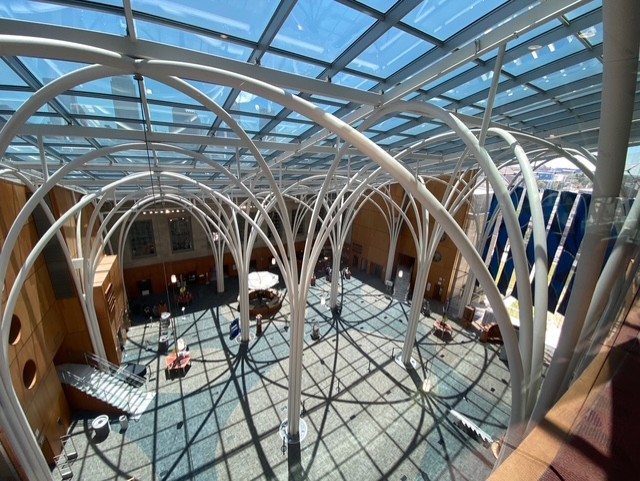
Architecture shapes the way people live, move, and experience the world.
Yet most of the stories behind architecture remain hidden.
In many ways, architecture has become a conversation that mostly happens among architects.
The profession can sometimes feel like a closed circle.
Architects understand what they do.
Industry professionals understand what they do.
But the public often does not.
That disconnect has consequences.
When people don’t understand a profession, they struggle to value it.
Architecture Is Often Perceived as a Commodity
Because the public rarely hears the deeper story behind architecture, the profession is sometimes perceived as a commodity.
Something optional.
Something decorative.
But architecture is not decoration.
It shapes:
- health
- comfort
- safety
- community
- identity
- memory
The spaces we inhabit influence how we feel every single day.
Architecture deserves to be understood at that level.
Storytelling Makes Architecture Human
The most effective way to communicate architecture is not through technical drawings.
It’s through storytelling.
Stories reveal:
- why a project exists
- who it serves
- what problems it solves
- how it connects to culture and place
When people understand the story behind a building, they begin to see architecture differently.
It stops being abstract.
It becomes human.
Architecture Exists Everywhere
Some of the most meaningful architecture stories are not famous buildings.
They are everyday places.
They are homes.
Communities.
Schools.
Villages.
My own architectural journey includes work in Honduras, where I spent time with an indigenous community called the Pech.
In one village, a single mother was raising three children in a house built from mud and sticks.
Despite the limited resources, there was incredible knowledge embedded in the building traditions.
The Pech people use a technique called bahareque, a vernacular construction method deeply connected to their land and culture.
There was beauty in that architecture.
But there were also challenges the community faced that architecture could help address.
That experience revealed something important.
Architecture is not just about buildings.
It’s about people.
The Power of Visual Storytelling
Today, storytelling can reach audiences in ways that were never possible before.
Video, photography, and digital media allow architecture to be experienced visually.
A single image can communicate powerful ideas.
A video can communicate even more.
At 60 frames per second, a video tells thousands of visual moments within seconds.
That visual language makes architecture accessible to people who might never read an architectural article or technical explanation.
It meets people where their attention already exists.
A New Generation Is Sharing Architecture
Across social media, a new generation of architects and designers are documenting their work online.
They are explaining ideas.
Showing the design process.
Sharing lessons from projects.
This shift is important.
It is helping architecture move out of a closed circle and into a broader public conversation.
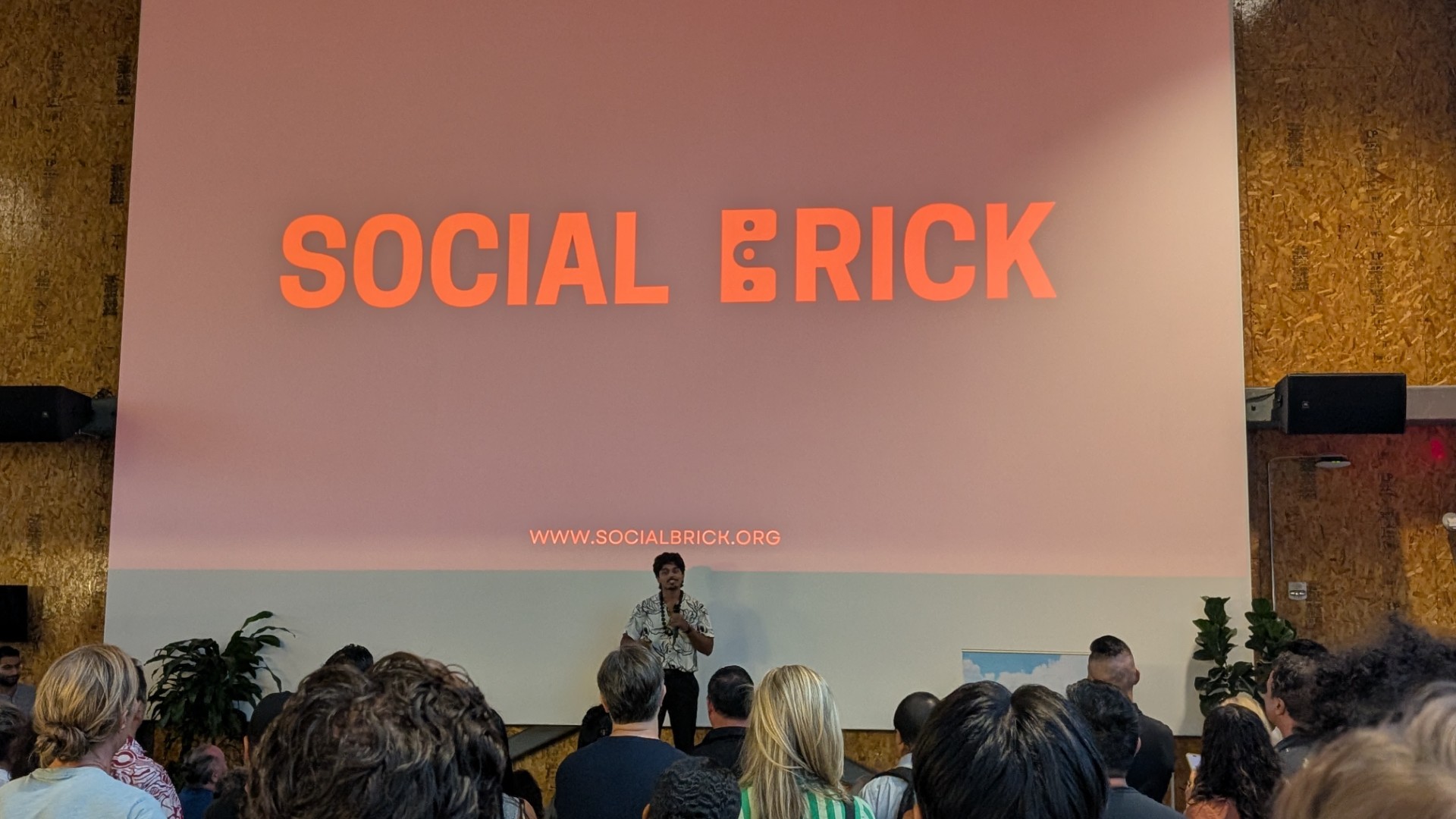
At Social Brick, we’ve seen how powerful this can be.
In just the first couple of months of sharing architectural content online, the platform reached over four million views.
That response shows something clearly.
People are interested in architecture.
They simply need someone to explain it.
Architecture Needs to Tell Its Story
Architecture deserves better storytelling.
Not just for architects.
But for the public.
When people understand architecture, they begin to value it differently.
They see architects not as optional consultants, but as professionals who shape the environments we live in.
The more architecture tells its story, the more the public can understand its impact.
And when that happens, the profession becomes stronger, more visible, and more valued.
FAQ SECTION
Why is storytelling important in architecture?
Storytelling helps people understand the deeper meaning behind architecture. Instead of seeing buildings as objects, storytelling reveals the people, culture, and ideas that shape design decisions.
Why does the public often misunderstand architecture?
Architecture is often communicated through technical drawings and professional language that can be difficult for the general public to understand. Without clear storytelling, many people never learn how architecture influences their daily lives.
How can architects tell better stories about their work?
Architects can tell better stories by explaining their design thinking, sharing the human impact of projects, and using visual media like photography and video to communicate architectural ideas.
Why is visual content powerful for architecture?
Architecture is inherently visual. Images and videos help people quickly understand spatial ideas, materials, and the atmosphere of a place. Visual storytelling makes architecture more accessible to a broader audience.
How does storytelling help architects attract clients?
When architects explain their work clearly and share the stories behind their projects, potential clients gain a deeper appreciation for the design process. This builds trust and helps clients understand the value architects provide.