The Real Problem Isn’t Marketing
It’s Public Understanding
Architecture firms across the Midwest often struggle with marketing.
But the root of the issue isn’t a lack of good work. It’s a lack of public understanding.
Most people simply don’t know what architects actually do.
Ask someone on the street what an architect does and the answer is often something like:
“They construct buildings.”
That answer reveals the disconnect.
Architects don’t build buildings. Contractors do. Builders do.
Architects design, coordinate, solve problems, protect clients, and shape how people experience space.
But the public rarely sees that side of the profession.
And historically, architecture has not done a great job explaining it.
Architecture Has Mostly Marketed to Itself
For decades, architecture communication has largely stayed inside the industry.
Architects talk to:
- other architects
- developers
- builders
- design professionals
But rarely the general public.
That means the people who actually hire architects often never learn what architects truly provide.
When communication stays within a professional circle, the public fills in the gaps with assumptions.
That’s why many homeowners think architecture is:
- a luxury
- optional
- or simply drawings for permits
Instead of what it actually is: a strategic design process that shapes how people live.
In Many Midwest States, You Don’t Legally Need an Architect
Another challenge in places like Indiana is that the building code is relatively lenient.
In many cases, you can construct residential buildings without hiring an architect.
Because of this, architecture can be perceived as a commodity rather than a necessity.
People may ask themselves:
“Why hire an architect if the project can technically be built without one?”
The problem is that most people are only evaluating the minimum requirement, not the value added.
Architects improve:
- spatial quality
- energy performance
- daylight and comfort
- long-term durability
- coordination between trades
- the overall experience of living in the home
But if homeowners never learn these benefits ahead of time, they often arrive to architects already holding misconceptions.
Clients Often Arrive With the Wrong Understanding
Architects frequently meet clients who already have a fixed idea of what architects do.
Sometimes they believe architects only:
- draw floor plans
- produce permit documents
- or review construction
But architecture is far broader.
Architects think about:
- light
- materials
- comfort
- ventilation
- acoustics
- human behavior
- the relationship between building and land
When clients understand these ideas before hiring an architect, the entire project becomes better.
They enter the relationship with clarity instead of confusion.
Education Builds Trust
The most powerful form of marketing for architecture is education.
When the public learns what architects do, trust increases.
People begin to understand:
- why architects matter
- how design impacts daily life
- why thoughtful design adds long-term value
This is exactly why architectural content is becoming so important.
Through social media, video, and storytelling, architects now have the opportunity to show people:
- how buildings are designed
- why certain decisions matter
- what goes into creating meaningful spaces
Over time, this education shifts perception.
Architecture stops looking like a commodity and starts being recognized as a profession that shapes how people live.
Architecture Needs to Speak to the Public
Architecture will always involve technical expertise.
But the profession also needs to communicate its value in human terms.
People don’t connect to:
- construction documents
- technical specifications
- industry jargon
They connect to stories.
They connect to how spaces make them feel.
When architects begin sharing the thinking behind their work, the profession becomes easier for people to understand and appreciate.
The Future of Architecture Marketing
The future of architectural marketing is not just promotion.
It’s education.
It’s showing the public:
- what architects do
- why design decisions matter
- how architecture improves everyday life
When architects communicate clearly and consistently, the profession becomes more visible and more valued.
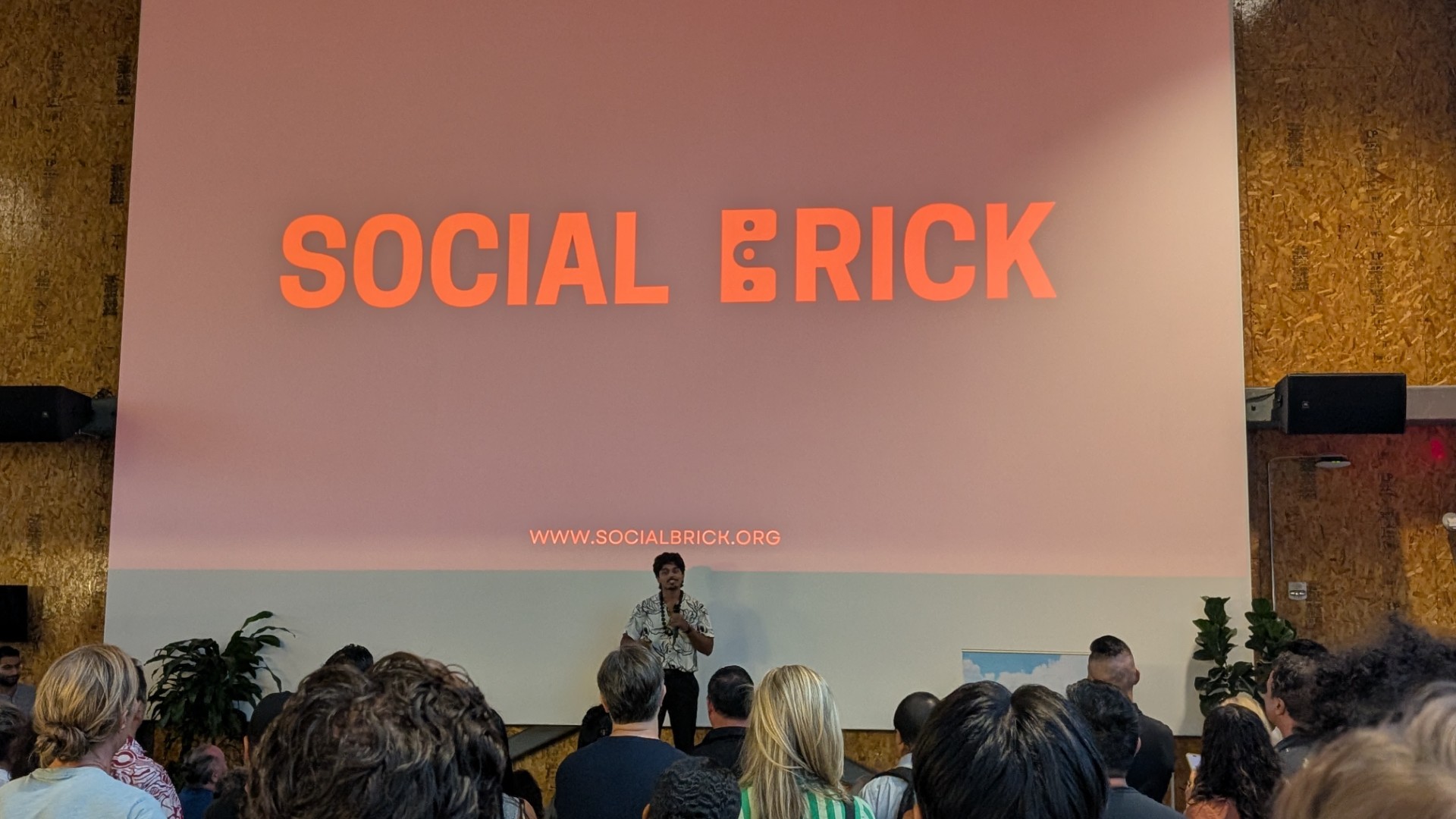
That’s the mission behind Social Brick.
To help architects share their work, educate the public, and communicate the real value of architecture.
FAQ SECTION
Why do architecture firms struggle with marketing?
Many architecture firms struggle with marketing because the public does not fully understand what architects actually do. Historically, architecture has communicated mostly within the industry rather than educating the general public. This creates a disconnect between the value architects provide and what clients believe architects do.
Why do people misunderstand what architects do?
Most people interact with buildings every day but rarely learn about the design process behind them. Because architecture has traditionally marketed itself to developers and industry professionals rather than the public, many people assume architects simply draw plans or construct buildings.
Why do some homeowners think architects are optional?
In many states, including Indiana, building codes allow certain residential projects to proceed without an architect. Because of this, architecture can sometimes be perceived as optional rather than essential. However, architects add value through design quality, coordination, comfort, and long-term building performance.
How can architecture firms improve marketing?
Architecture firms can improve marketing by educating the public about what architects actually do. This includes creating content that explains design thinking, the value of architecture, and how architects improve the quality of buildings.
What type of marketing works best for architecture firms?
Educational storytelling tends to work best for architecture firms. Content that explains design ideas, showcases projects, and helps people understand architecture builds trust with potential clients.